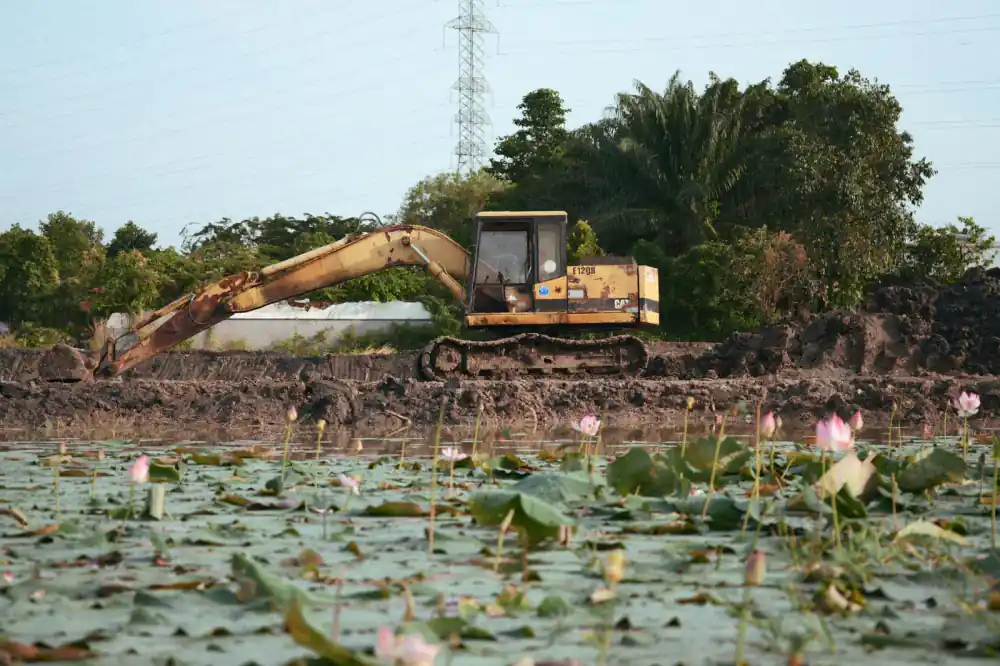
Construction Geometry
Optimal slope ratios, depth mapping, and drainage architectures to ensure low-maintenance water cycles and easy harvesting.
Read Blueprint →Practical insights, construction methodologies, and specie selection strategies to maximize yield and operational efficiency in your commercial pond.
Start with a robust blueprint for construction and species selection.
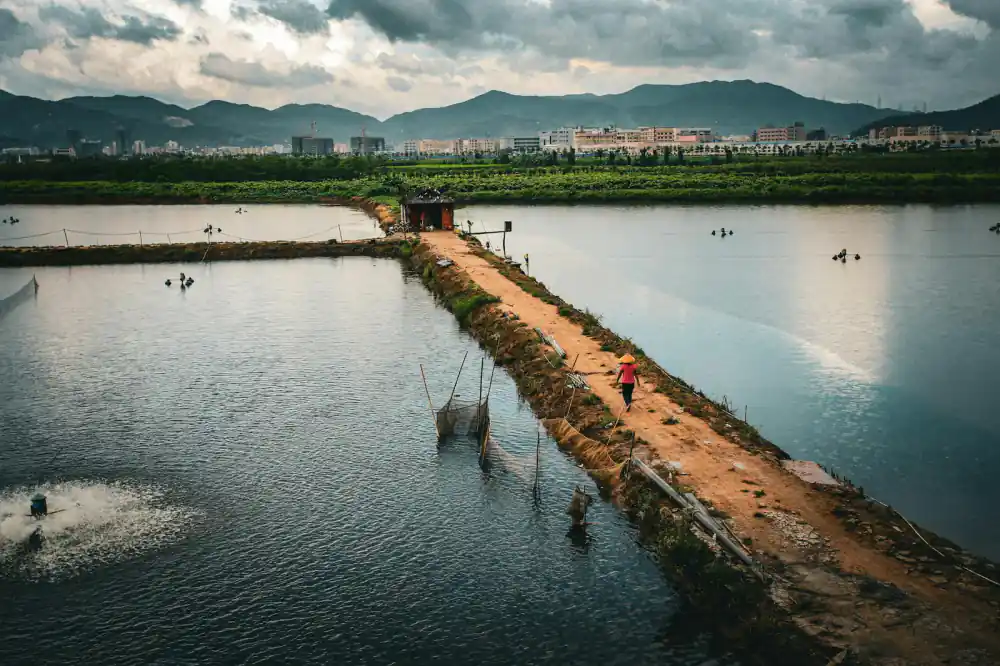
Monoculture systems often leave ecological niches unexploited. By introducing carefully selected secondary species, farmers can improve water quality naturally while adding secondary revenue streams.
This report details the agronomic viability of combining surface-feeding species with bottom-dwellers, analyzing the impact on feed conversion ratios (FCR) and overall pond biosecurity.
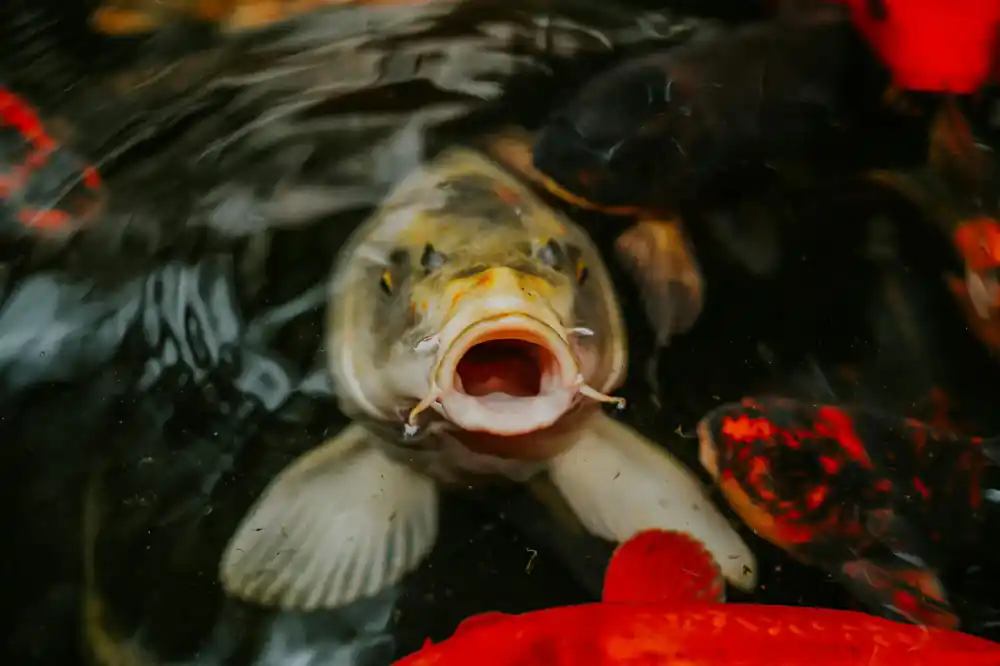
Optimal slope ratios, depth mapping, and drainage architectures to ensure low-maintenance water cycles and easy harvesting.
Read Blueprint →
Matching local climate data, market demand, and pond carrying capacity to the right fish varieties for maximum ROI.
View Matrix →
Agronomic approaches to timing, pellet sizing, and nutritional profiles that minimize waste and accelerate growth cycles.
Optimize Feed →Target metrics for a well-managed commercial aquaculture operation, established through years of field data collection.
Feed Conversion Ratio baseline for high-yield operations.
Average savings when implementing smart aeration schedules.
Optimal minimum water pH for most commercial species.
Ideal lead time for pre-harvest grading and purging protocols.
A profitable harvest is the result of disciplined, scheduled interventions. Understanding the exact sequence of events from pond preparation to market delivery is what separates amateur setups from commercial successes.
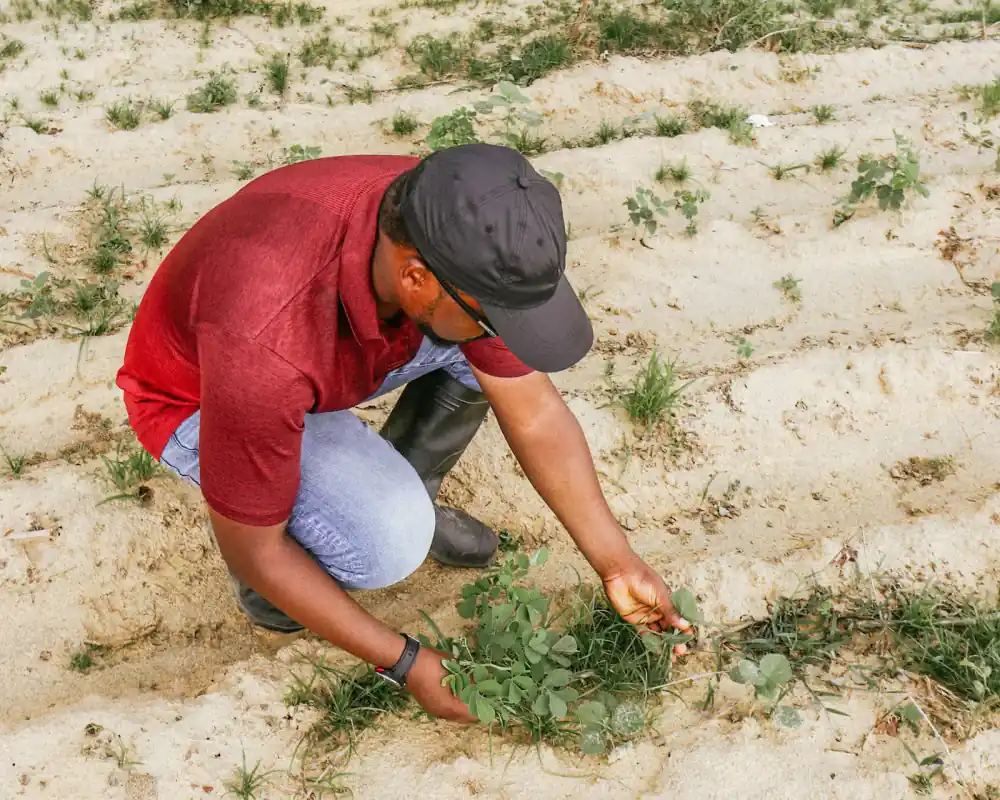
Drying, liming, and fertilizing the pond bottom to establish a healthy benthic environment and promote natural plankton blooms before stocking.
Careful temperature matching and density calculation. Overstocking leads to stunted growth, while understocking wastes valuable water volume.
Daily dissolved oxygen checks, progressive feed rate adjustments, and weekly sampling to track growth against the projected curve.
Ceasing feed to clear digestive tracts, reducing water levels, and executing a low-stress seine netting operation to preserve meat quality.
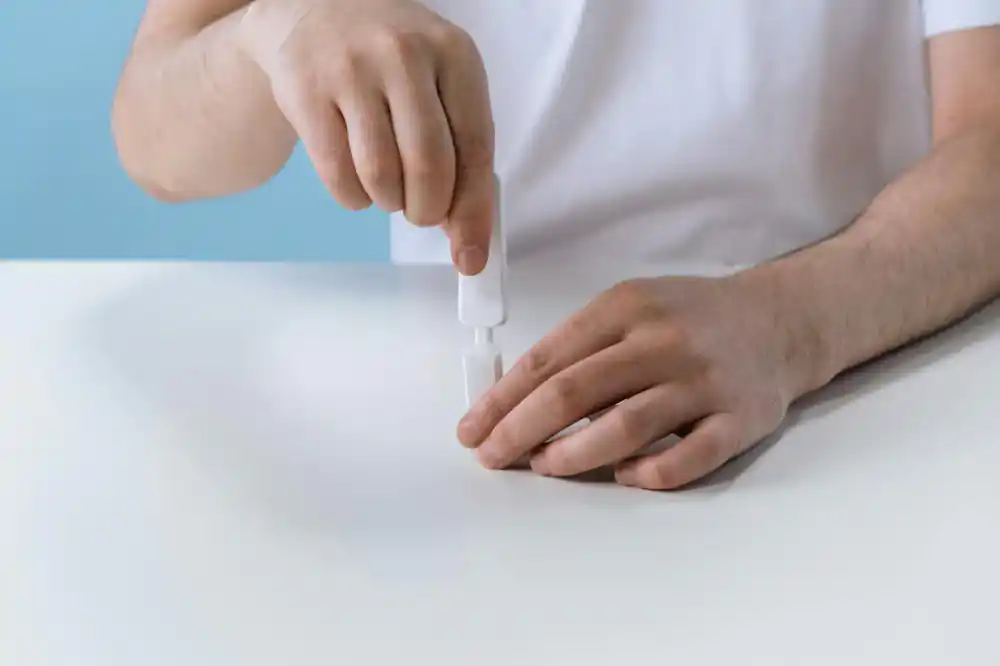
Moving beyond simple pH to comprehensive alkalinity and ammonia management.
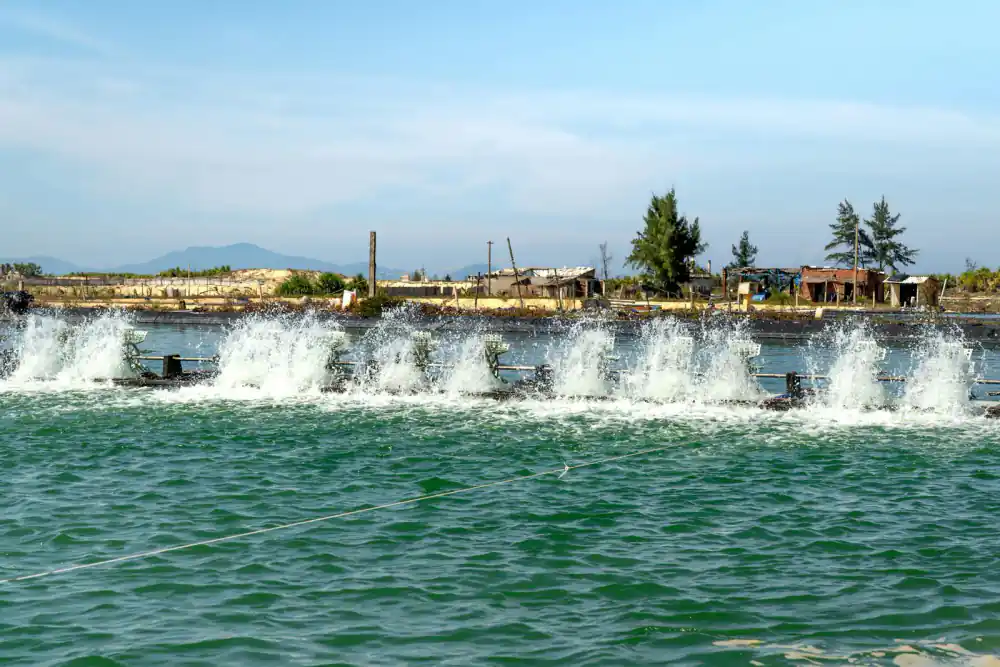
How positioning affects circular flow and prevents dead zones in rectangular ponds.

Formulas to prevent late-stage oxygen crashes as fish approach harvest weight.
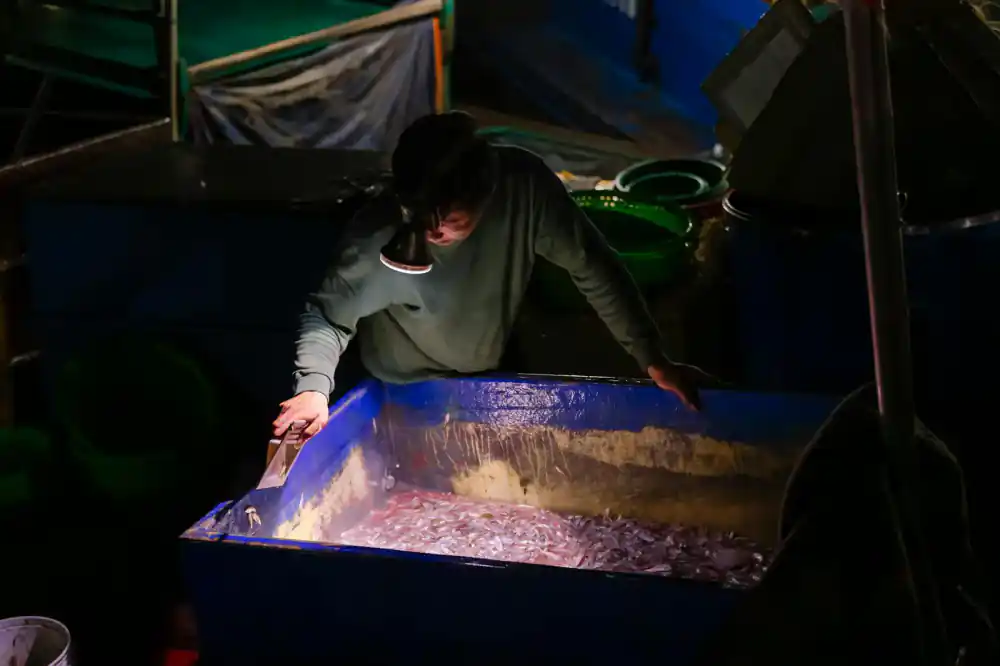
Why separating stock by size improves uniformity and overall feed efficiency.
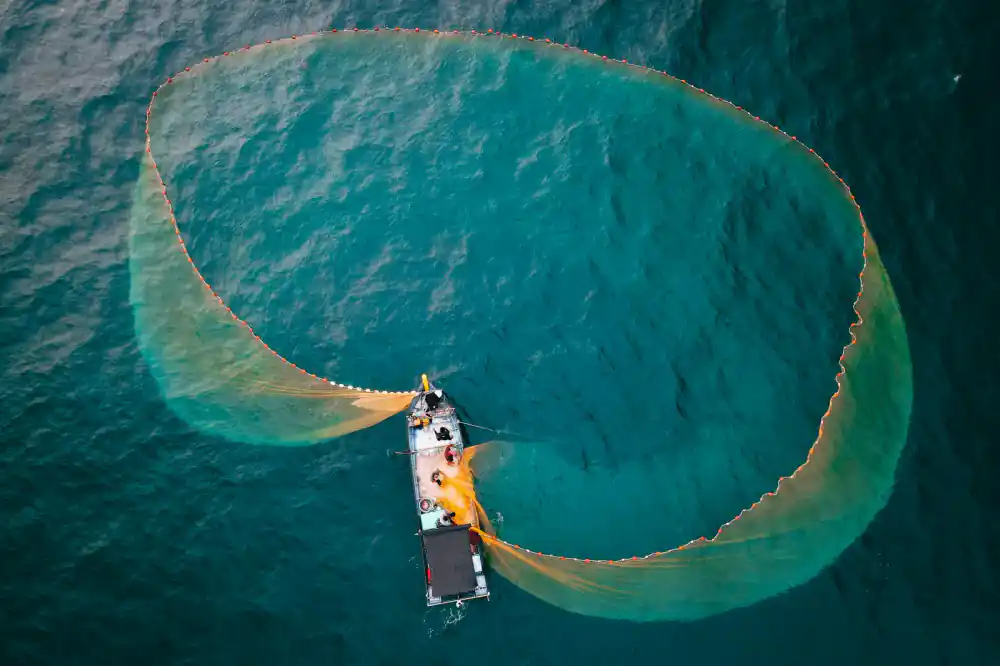
Harvesting is the most critical 48 hours of the entire production cycle. Poor handling directly translates to damaged scales, stress-induced weight loss, and lower market prices.
We advocate for a systematic drawdown combined with properly weighted seine nets. Ensuring the equipment is clean and the transfer tanks are adequately oxygenated is non-negotiable for commercial tier pricing.
Whether you are breaking ground on your first pond or optimizing an existing commercial facility, our advisory team provides data-driven strategies for construction and species selection.