Target FCR
Optimized feed conversion ratio emphasizing nutritional efficiency and rapid biomass accumulation.
Implement precise methodologies for earthwork, water chemistry, and species management to ensure absolute operational profitability and sustainable harvests.
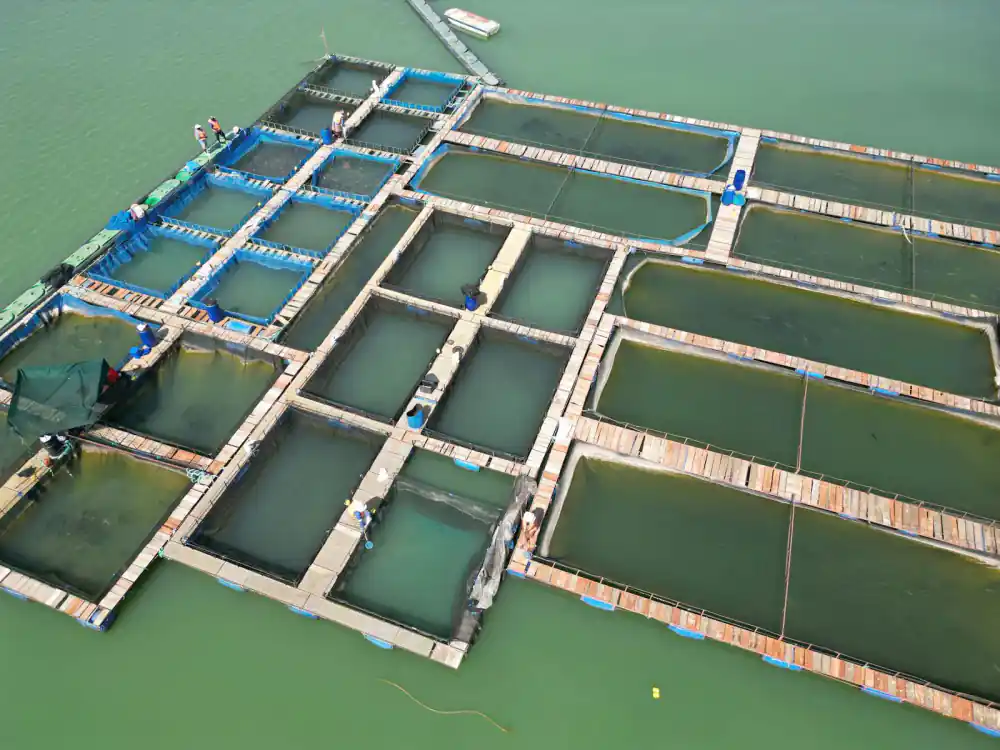
System Performance Indicators
Optimized feed conversion ratio emphasizing nutritional efficiency and rapid biomass accumulation.
Aeration benchmarks required to maintain aggressive feeding responses across all growth phases.
Fingerling to harvest survival thresholds achievable through strict water parameter monitoring.
Strategic species selection enabling multiple complete harvest rotations within a single calendar year.
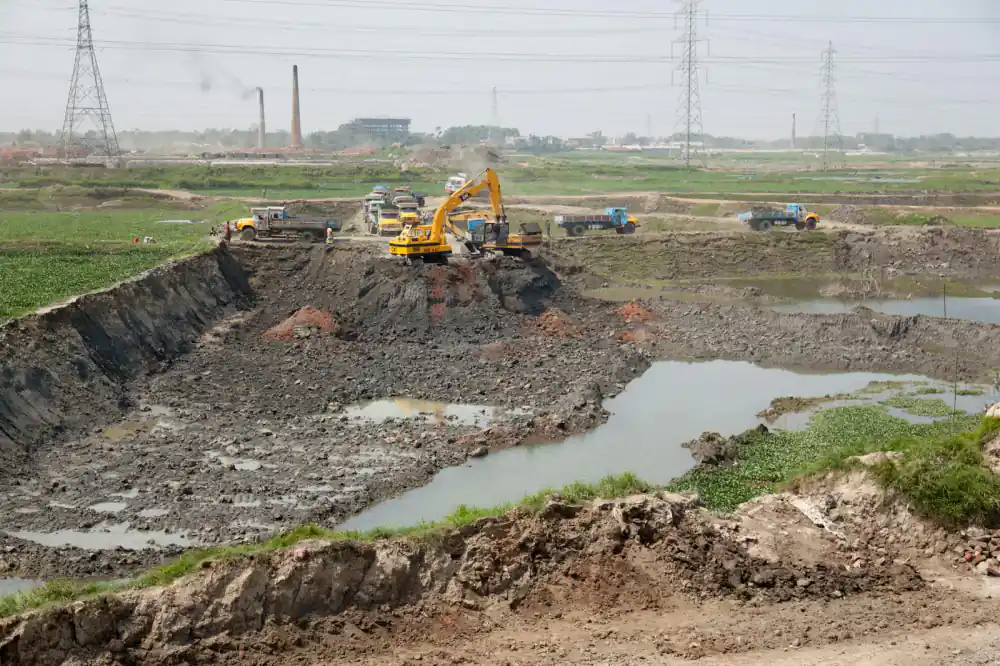
Phase 01: Earthwork
Profitable aquaculture begins below the waterline. Proper embankment design, clay core implementation, and topographic leveling dictate the long-term viability of your farm. We prioritize leak-proof basins and high-flow drainage to minimize pumping costs.
Phase 02: Stocking
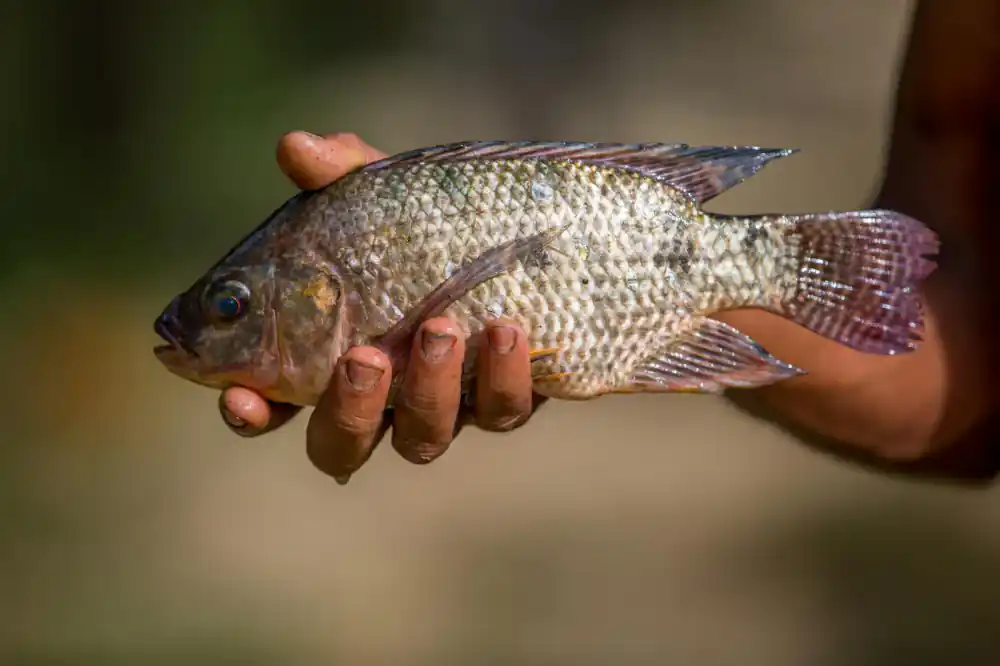
The industry standard for rapid turnover. Highly resilient to fluctuating water parameters, exceptionally responsive to formulated feeds, and capable of reaching market weight (500g) in 5-6 months under optimal thermal conditions.
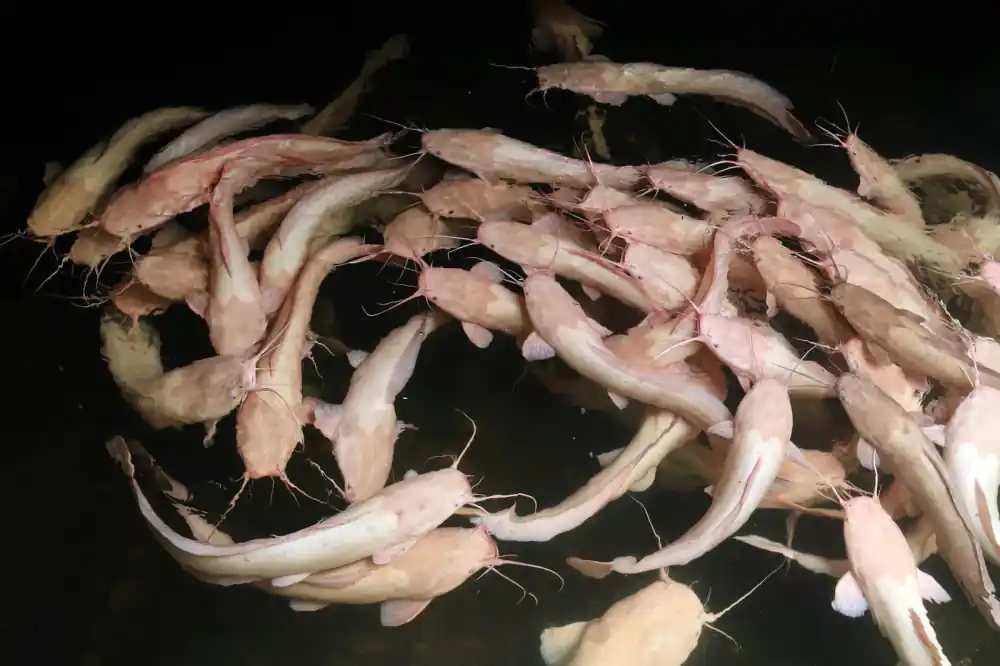
Exceptionally hardy species with accessory breathing organs, allowing ultra-high stocking densities and tolerance to poor water quality. Ideal for high-tonnage regional markets.
Target Harvest Weight: 1.0kg - 1.5kg
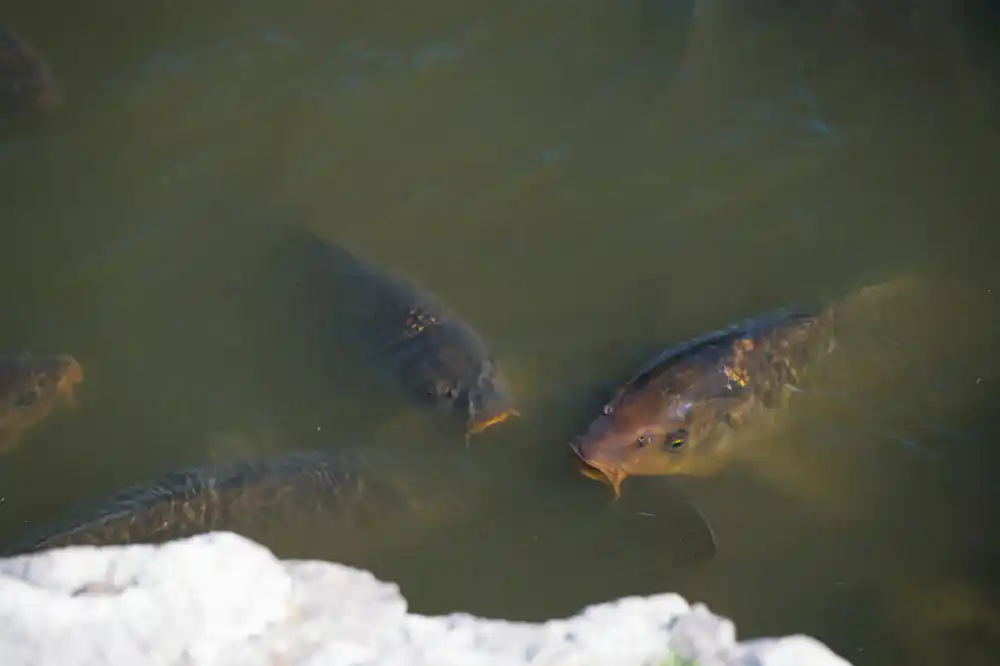
Benthic feeders excellent for polyculture systems. They utilize natural pond productivity efficiently, reducing reliance on expensive formulated diets while improving pond bottom hygiene.
Target Harvest Weight: 800g - 1.2kg
Phase 03: Nutrition
45-50% Crude Protein | Micro-pellets
Critical window for immune system development. High-frequency broadcast feeding (4-6 times daily) ensures uniform growth and prevents cannibalism in predatory species. Focus is purely on survivability and frame development.
30-35% Crude Protein | 2mm-4mm Pellets
The primary biomass accumulation phase. Feeding strategies shift to strict satiation monitoring to minimize feed waste (the largest operational expense) and protect water quality from excess nitrogen loading.
25-28% Crude Protein | 6mm+ Pellets
Focus shifts to flesh quality and fat deposition. Lower protein diets are utilized as relative growth rates slow. Feeding frequency drops to twice daily, heavily dependent on dissolved oxygen readings and temperature.
Business Modeling
Commercial aquaculture is fundamentally a logistics and margin business. Understanding your break-even price against feed costs is paramount. We help farmers model their production costs dynamically, ensuring that final harvest distributions yield reliable, scalable profits.
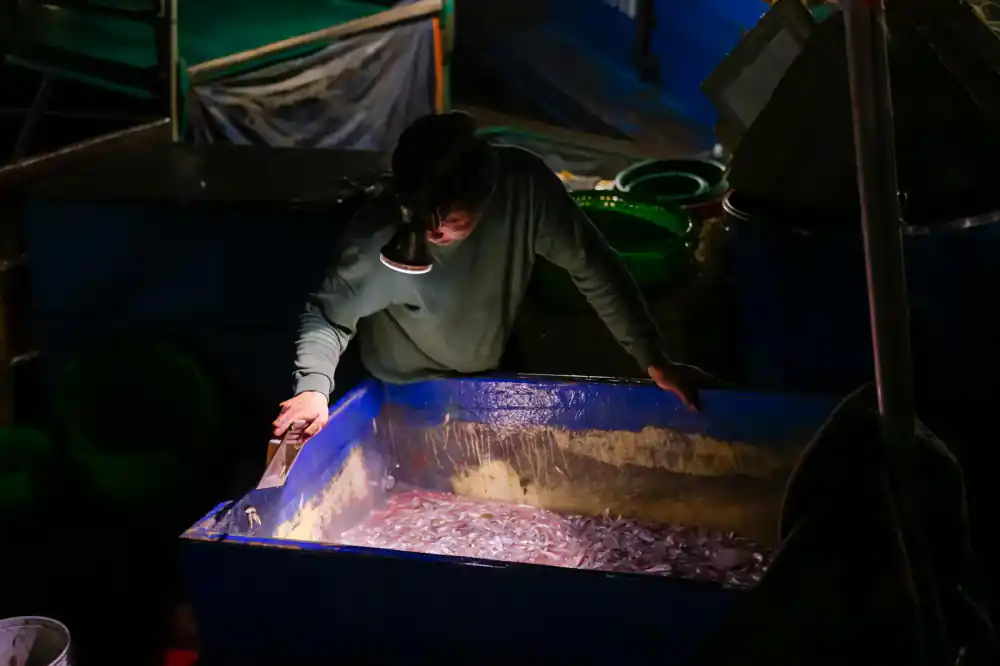
Essential Agronomic Hardware
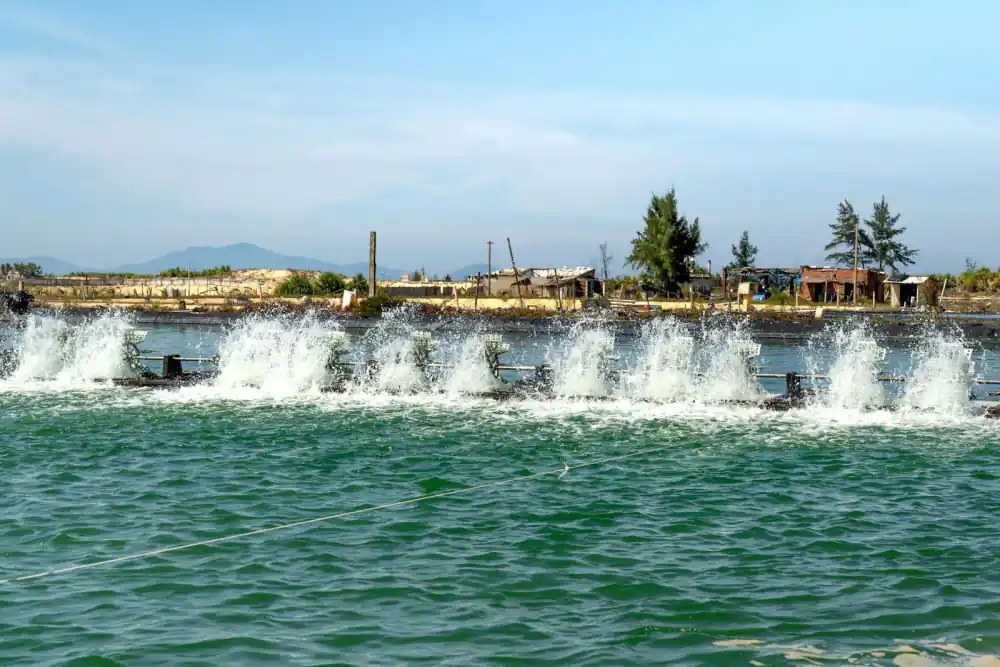
Paddlewheels and diffusers to break stratification and maintain critical DO levels during night hours.

Photometers and digital probes for daily tracking of Ammonia, Nitrite, pH, and alkalinity.
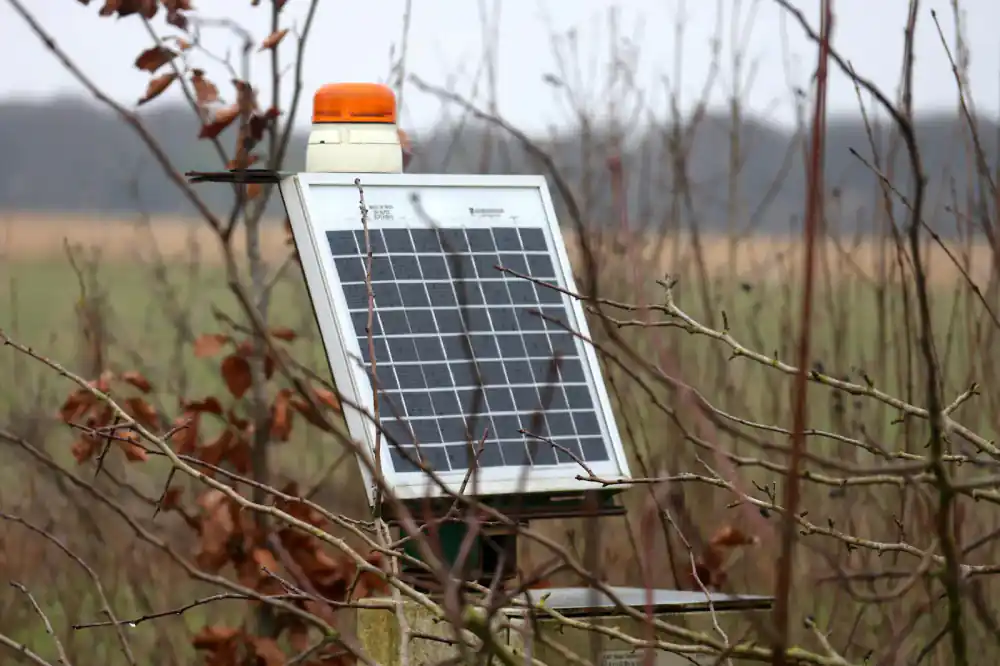
Solar or grid-tied broadcasting systems to standardize feed distribution and reduce labor dependency.
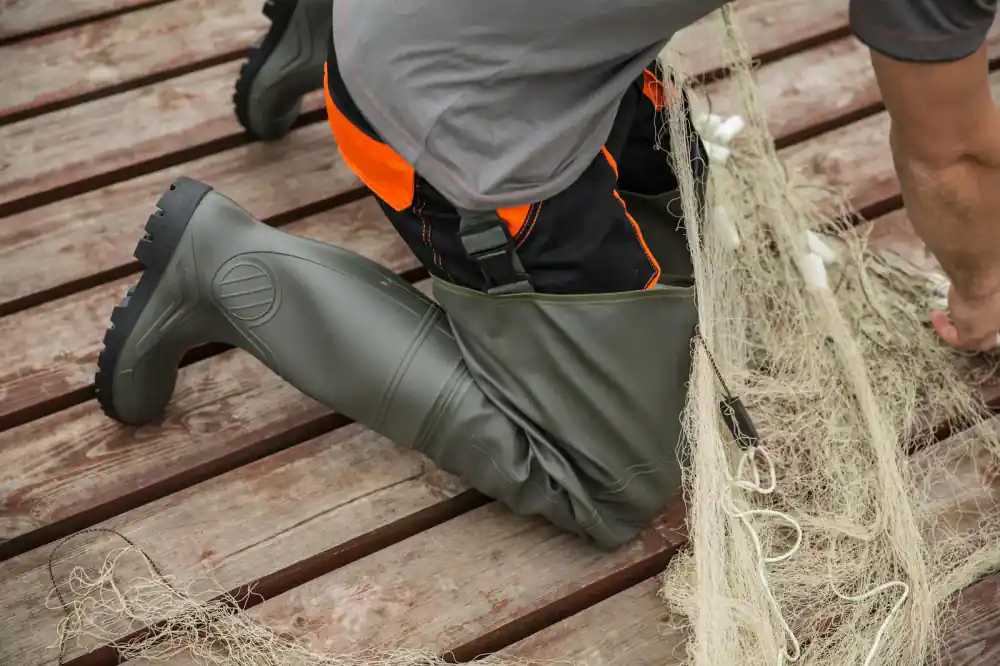
Knotless nylon nets and sorting tables designed to prevent physical trauma during partial or total harvests.
Initial Agronomic Review
Transitioning from subsistence farming to commercial-scale aquaculture requires exact planning. Submit your projected farm metrics, and our agronomic team will review your hydrology requirements, species suitability, and baseline capital estimates.
For immediate questions regarding pond engineering specs or commercial feed sourcing:
hello@pondcraftaquaculture.com